
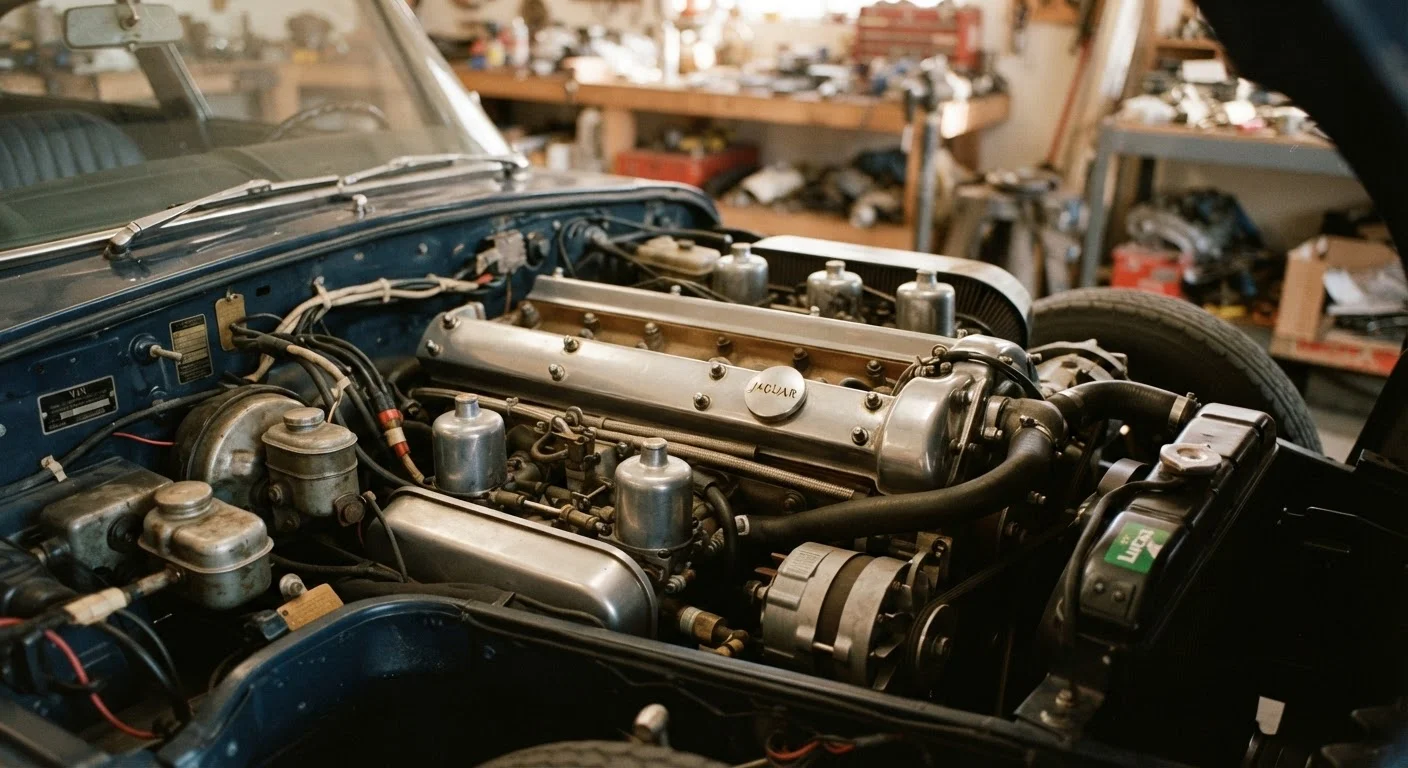
Why 150,000 miles is a turning point, not a death sentence
A vehicle crossing 150,000 miles has usually paid back its purchase cost many times over. At that point, the math on keeping it running almost always beats financing a newer car, provided the owner focuses on the right maintenance priorities. The goal shifts from preventing normal wear to staying ahead of the specific failure modes that cluster at high mileage.
Most of those failure modes are predictable. Rubber and plastic components harden, seals start to weep, and secondary systems that were never replaced begin to show their age. None of that is catastrophic if it is caught early. Deferred maintenance compounds quickly on high-mileage vehicles, so the discipline of regular inspections pays bigger dividends than it did at 60,000 miles.
The maintenance tasks that matter most at this stage
Past 150,000 miles, the owner's manual is still the baseline, but a few categories deserve extra attention because the cost of failure rises sharply.
Fluids and filters. Engine oil, coolant, transmission fluid, brake fluid, and power steering fluid all degrade over time and mileage. Contaminated fluid causes internal wear that no repair can fully reverse. Follow the manufacturer's interval for each fluid rather than guessing, and consider having a mechanic check for coolant contamination in the oil, which can signal a failing head gasket before it becomes an emergency.
Timing belt or timing chain. If your vehicle uses a timing belt and it has not been replaced, this is the single highest-consequence item on a high-mileage car. A snapped timing belt on an interference engine destroys the engine. The replacement cost is modest compared to that outcome.
Cooling system components. The water pump, thermostat, and radiator hoses are often replaced together when the timing belt is serviced. That bundling makes sense because labor is the expensive part; adding parts during an open job costs far less than returning for a second repair.
For a broader look at which fluids and intervals are commonly misunderstood, see what the science says about oil change intervals.
Watching the systems that age on their own timeline
Some components fail on a calendar schedule, not just a mileage one. A car driven 8,000 miles a year reaches 150,000 miles after roughly 19 years. At that age, rubber hoses, gaskets, and suspension bushings may be brittle regardless of how carefully the car was driven.
Brake hoses are a common oversight. A hose that looks intact from the outside can be collapsing internally, restricting fluid return and causing brake drag. An inspection that includes squeezing the hose by hand takes seconds and can catch this before it causes premature rotor and pad wear.
Suspension components including struts, control arm bushings, and tie rod ends affect both handling and tire wear. Worn suspension causes tires to wear unevenly, which means replacing them sooner. Fixing the underlying problem first saves money on tires over time.
Finding a mechanic who knows your car's history is worth the effort. A practical framework for evaluating any shop can help families avoid paying for unnecessary work while still getting thorough inspections.
Spending smart: when to repair and when to reconsider
The common repair-versus-replace rule of thumb is to avoid spending more on a single repair than the vehicle is worth. That is a reasonable starting point, but it oversimplifies. A $2,000 transmission repair on a car worth $3,500 may still be the better financial choice if the alternative is $400 per month in car payments.
A more useful frame is to estimate the next 12 months of likely repairs and compare that total to 12 months of ownership costs for a replacement vehicle, including depreciation, insurance changes, and financing. Several ownership costs catch families off guard when they move to a newer vehicle.
For families considering a used vehicle with existing high mileage, understanding what extended warranties actually cover before signing anything is worth the time. Coverage exclusions for pre-existing wear items are standard in most contracts.